
Self-Image: Maintaining a Healthy Relationship with Yourself and Dance
Mental health and self-image have been a struggle for nearly every dancer I have met. The dance industry, along with many others, wasn’t built with the health of the dancers in mind. I have witnessed dancers battle with body dysmorphia, negative self-talk, and especially maintaining a healthy amount of self-care. I have been dancing for the last fifteen years of my life. I have watched so much talent and passion washed out of my peers simply because they burnt out. Kids who could have had a professional dance career, or at the very least maintained a love for the art, didn’t because it came down to choosing between their health and well-being, or dance.
By Brea Rittel, DWC Blog Contributor

Mental health and self-image have been a struggle for nearly every dancer I have met. The dance industry, along with many others, wasn’t built with the health of the dancers in mind. I have witnessed dancers battle with body dysmorphia, negative self-talk, and especially maintaining a healthy amount of self-care. I have been dancing for the last fifteen years of my life. I have watched so much talent and passion washed out of my peers simply because they burnt out. Kids who could have had a professional dance career, or at the very least maintained a love for the art, didn’t because it came down to choosing between their health and well-being, or dance. Most styles of dance actively encourage a perfectionist mindset, but especially ballet. Ballet is such a beautiful style, but it can be so stifling, and stuck in outdated traditions. Ballerinas were one skin color, one body type, and forced into a mold almost no one realistically fit inside. While there has been some improvement, there is still so much to address. Even now, as a dancer studying in the modern world, these pressures still have a profound impact on me and my health. When I was younger I was told “Don’t show your lunch,” and “Your legs are too big to be a dancer”, at one point I was even told that I would never be able to make it as a dancer because I just wasn’t “made for the ballet”, so I should just give up on any professional aspirations. Now, I find myself constantly unsatisfied with, not just my dancing, but everything I do in a day. My grades are never high enough, I am never happy with my sketches, and even my relationships suffer from my micromanaging tendencies, all of which stem from dance deeply implementing a belief that I will never be good enough into my brain from a young age. I want to pursue dance after high school, but I constantly battle with myself in deciding if it is even possible for me, since I don’t fit the standard. And I’m not alone in this battle, so many struggle with negative self-image as a result of growing up in dance.
Growing up in the age of the internet added a whole new element to this problem that is rarely addressed. I recently had a conversation with a dance teacher only 10 years older than me, and she pointed out that even when she was a kid there wasn’t the same widespread use of technology as there was when I was growing up. And it is only increasing for younger generations. My teacher believes that, for instructors, this changes what the students need from them in a class. I know as a student currently, I find it much easier to work with teachers who still treat me like a person beyond being their student. This can be as simple as not making derogatory comments about my intelligence when giving a correction, or asking before giving any tactile feedback. We now have constant access to other dancers on the internet, she pointed out. From professionals to child prodigies, all we see are these filtered versions of amazing dancers. Seemingly perfect in every way. While this can be a wonderful tool, it is impossible not to compare yourself. Social media algorithms make a profit off of our comparisons. The more time spent on the app, spiraling, the more engagement they're getting. So, they shove as much content in our faces as possible at all times. Because dancers tend to see the worst in themselves, and the best in others, we see them at their best and instinctually compare it to ourselves at our worst. It can be incredibly discouraging to constantly feel like you aren’t measuring up to that level of perfection. It is helpful to remember that dance, like almost everything else on the internet, isn’t always real. What we see posted is likely not the first time they attempted that video or picture, in the same way that we don’t always nail our turns or leaps immediately. It can be incredibly hard to pull yourself out of the mindset that you are worth less as a dancer than the people you see on social media, but it is important to remember that they are real people too. They have bad days too. They fall out of single pirouettes, miss a step in a dance, or catch themselves sickling their feet too. No matter how much social media gives us a false idea of perfection in the world, it will never be the case for anyone, including dancers.
The struggle with self-talk is so much more complex than most people give it credit for. Striking a balance between self-correcting and still maintaining a generally confident mindset. Having the ability to recognize your own mistakes without the thoughts becoming unproductively negative is a learned skill. For years I was told to just be positive as if it is that simple. I would express my frustrations with my dancing only to be greeted with comments like “We only do self-positivity here” from my peers, which never actually helped me not be negative, it just furthered my frustration because being positive about myself seemed impossible in the moment, and harmed my relationships with the people around me. It constantly made me feel like there was something wrong with me for not being able to be content with myself, the result being the worsening of my already poor self-talk. One of the best bits of advice I have ever received was to live in a neutral state of self-talk. For the longest time, I almost always lived in a state of self-resentment because I could never be as good of a dancer as I wanted, and the idea of trying to completely shut that down and move to a place of constant self-love was too overwhelming for me to even make an effort towards improvement at all. To me, it was a losing battle, so what was the point? When a teacher suggested shifting to a neutral place it seemed much like a more manageable leap (pun intended). This means instead of saying I am a terrible dancer every time I have a bad day, acknowledging that it was just that, a bad day. Instead of saying things like “I will never be a good enough dancer”, make goals about it. The key is recognizing the improvement. This has helped me get to a place where, while I still see my flaws and want them to go away, I can address them in a much healthier way more frequently.

click below to shop the look:
One last thing many dancers, including myself, have struggled with, is taking care of ourselves. I have spent the last 6 years of my life nursing an achilles injury that wouldn’t be nearly as much of a problem as it is if I had just taken care of it initially… or the second time… or this time… or any of the times in between. The reason I haven’t is something I’m sure many people relate to, I just don’t want to “waste my time” taking a break. I don’t want to fall behind my peers. Most people I know say things along the lines of “Oh well, I’ll just suck it up, it’ll go away eventually”, which hardly ever happens. Problems need to be addressed, whether mental or physical. The topic of mental health days is often a subject of debate for people, but taking care of your mental state can’t be ignored. Not just for the dancer's state, but their peers, coworkers, instructors, and choreographers are all impacted as well. Don’t get me wrong, dance classroom attendance is NOT optional. If you are simply not having the best day, or something is a little off, showing up and not being one hundred percent for one day is absolutely fine. Nobody is completely on it all the time. Showing up in a state that is so negative that it is detrimental to yourself and others is not, though. If you need a rest day because you are too overwhelmed, burnt out, anxious, or a host of other reasons it is okay to take a day off. What matters most is how you spend it. You could spend it eating chips and binge-watching random shows (though an occasional lazy day won't kill you, that can be saved for weekends and days off, it wouldn’t be effective for a mental health day), or you could spend it refueling your body. Spending time in nature, drinking lots of water, eating foods with nutritional value, sleeping, and of course doing things you enjoy, whatever you find works for you will leave you feeling more prepared for the next day than the first option. It won't make the feelings go away, but you will find yourself more refreshed and capable. The key to this is a healthy, honest relationship with your peers and coworkers in which you can communicate your needs without judgment or ridicule.

Along with that, generally eating enough, sleeping enough, and drinking enough water are so important to being a healthy dancer. It only hurts you more to not meet your body’s needs. You won't dance at your best, you won't be in your best mental state, and you won't feel good at all. Also, finding time for you to maintain relationships inside and outside of dance is not optional. Humans biologically need communication, so healthy relationships are a necessity to continue moving your health in a positive direction. It is so hard to maintain positive relationships with yourself and dance at the same time, but having a healthier mindset will help so drastically. Your dancing will improve and you will just feel so much better generally. I know taking baby steps towards everything I have talked about has helped me so much in the last year alone. Now, I am going into a summer of intensives, my senior year next year, and then adulthood feeling better about my dancing, healthier, and more self-aware than I ever have before. I encourage you to take a small step towards self-care, nothing major, just having snacks in your car or being intentional about spending time outdoors more. Even if the change isn’t major it opens the door for growth.
Disclaimer
All content found on the Dancewear Center Website, Instagram, Facebook, Pinterest, and all other relevant social media platforms including: text, images, audio, or other formats were created for informational purposes only. Offerings for continuing education credits are clearly identified and the appropriate target audience is identified. The Content is not intended to be a substitute for professional medical advice, diagnosis, or treatment. Always seek the advice of your physician or other qualified health provider with any questions you may have regarding a medical condition. Never disregard professional medical advice or delay in seeking it because of something you have read on this Website.
If you think you may have a medical emergency, call your doctor, go to the emergency department, or call 911 immediately. Dancewear Center does not recommend or endorse any specific tests, physicians, products, procedures, opinions, or other information that may be mentioned on dancewearcenter.net. Reliance on any information provided by dancewearcenter.net, Dancewear Center employees, contracted writers, or medical professionals presenting content for publication to Dancewear Center is solely at your own risk.
Links to educational content not created by Dancewear Center are taken at your own risk. Dancewear Center is not responsible for the claims of external websites and education companies.
Balancing Dance and School
Dance is a full time commitment and sport that takes hours of dedication. As a teenager however, school is also a commitment. This balance is not something everyone can master, here are a few ideas that have helped me to find that perfect middleground.
By Faith Potter, DWC Ambassador | pronunciation: Fay-th Pot-ter | pronouns: she/her

click below to shop the look:
Dance is a full time commitment and sport that takes hours of dedication. As a teenager however, school is also a commitment. This balance is not something everyone can master, here are a few ideas that have helped me to find that perfect middleground.
Tip 1: Get a planner.
It is extremely important in today’s hectic world to have a place to schedule your life. For me that looks like setting specific times around my pre-scheduled school and dance classes to make time for my homework. I am also sure to set time before I go to bed to stretch and roll out any sore muscles after dance. Even though this will look different for everyong, keeping a planner takes stress off your life and allows you to feel like things are being taken care of.
Tip 2: Focus on your surroundings.
Something I have found that helps me balance school and dance is focusing on where I am. If I am at school I'm not thinking about dance and vise versa. I usemy time to put my best foot forward on whatever I’m doing whether that is a math test or a plie combination. This helps focus your mind and not worry about the future but stay in the present.
Tip 3: Balance your time.
As a dancer, you may have a tendency to add too much to your plate. Aside from school and dance, you may try to juggle a job or want to hang out with friends and family. Beware of this trap! Putting too much on your plate can lead to burnout. Each week I try writing down my schedule to visualize it and if you can't fiteverything in then consider cutting something out.
Tip 4: School first
Know when to put school first. Depending on the person, dance may be a higher priority in someone's life but academics are still important. Acknowledging that school gets hard or demanding and that it might need to come before dance . For example, if you have a test in the morning and know you need to study, try communicating with your dance teacher and let them know that you may need to miss dance one day so that you don't have to stay up all night studying. If allowed, use this time wisely and really put school first.

click below to shop the look:
Tip 5: Fuel yourself
Fueling your mind and body is the main key to balance, so remember to eat! With long days and busy schedules it will do you no good if you aren't fueled and ready for your day. Three healthy meals and a snack here and there will definitely set you up for success throughout your day. Exercising your mind and body all day can be very tiring so another way to fuel your body can be taking a nap or just taking a moment between classes for alone time can be very helpful in rejuvenating your body and mind. And remember to stay hydrated!
These are just the things I’ve found have helped me through the years. Every dancer is different and will need different things. Check in with yourself and try out different methods to stay happy and healthy!
Disclaimer
All content found on the Dancewear Center Website, Instagram, Facebook, Pinterest, and all other relevant social media platforms including: text, images, audio, or other formats were created for informational purposes only. Offerings for continuing education credits are clearly identified and the appropriate target audience is identified. The Content is not intended to be a substitute for professional medical advice, diagnosis, or treatment. Always seek the advice of your physician or other qualified health provider with any questions you may have regarding a medical condition. Never disregard professional medical advice or delay in seeking it because of something you have read on this Website.
If you think you may have a medical emergency, call your doctor, go to the emergency department, or call 911 immediately. Dancewear Center does not recommend or endorse any specific tests, physicians, products, procedures, opinions, or other information that may be mentioned on dancewearcenter.net. Reliance on any information provided by dancewearcenter.net, Dancewear Center employees, contracted writers, or medical professionals presenting content for publication to Dancewear Center is solely at your own risk.
Links to educational content not created by Dancewear Center are taken at your own risk. Dancewear Center is not responsible for the claims of external websites and education companies.

DWC How To's: Tighten the Taps on your Tap Shoes!
Tightening the taps of your tap shoes is an easy but crucial thing to know how to do! DWC Social Media Manager, Emma, will show you what you need, how to do it, and some important tips to remember!
By Emma Neilson, DWC Social Media Manager
Tightening the taps of your tap shoes is an easy but crucial thing to know how to do! DWC Social Media Manager, Emma, will show you what you need, how to do it, and some important tips to remember!
Gather your items, you will need: Your tap shoes, and a screwdriver, most likely a Phillip’s head (the end is a cross)
Place the screwdriver in the screw, while pressing down very firmly, turn clockwise (to the right) to tighten, or counterclockwise (to the left) to loosen.
Be sure only to do a little at a time and test between adjustments!
And as always, check in with your teacher about how tight to make them! We hope this tutorial was helpful, to shop our tap shoe options click here!
Disclaimer
All content found on the Dancewear Center Website, Instagram, Facebook, Pinterest, and all other relevant social media platforms including: text, images, audio, or other formats were created for informational purposes only. Offerings for continuing education credits are clearly identified and the appropriate target audience is identified. The Content is not intended to be a substitute for professional medical advice, diagnosis, or treatment. Always seek the advice of your physician or other qualified health provider with any questions you may have regarding a medical condition. Never disregard professional medical advice or delay in seeking it because of something you have read on this Website.
If you think you may have a medical emergency, call your doctor, go to the emergency department, or call 911 immediately. Dancewear Center does not recommend or endorse any specific tests, physicians, products, procedures, opinions, or other information that may be mentioned on dancewearcenter.net. Reliance on any information provided by dancewearcenter.net, Dancewear Center employees, contracted writers, or medical professionals presenting content for publication to Dancewear Center is solely at your own risk.
Links to educational content not created by Dancewear Center are taken at your own risk. Dancewear Center is not responsible for the claims of external websites and education companies.
Summer Intensives Guide (Hint: Start NOW!)
Summer ballet intensives. I had just turned thirteen when I went to my first intensive. It was the first time I had ever been away from home for that length of time. One of the other girls at my studio (and good friend) went with me on this adventure. My parents drove 6 hours to Walla Walla, we unpacked and I was overfilled with emotions. Those for weeks were one of the worst experiences of my dance life. The winter of 2022 I decided to give the whole summer intensive thing another shot. As simple as that sounds, several challenges awaited me.
Pronunciation: Ah-lay-nah Fow-ler | Pronouns: she/her
By Alaina Fowler, DWC Ambassador

Summer ballet intensives. I had just turned thirteen when I went to my first intensive. It was the first time I had ever been away from home for that length of time. One of the other girls at my studio (and good friend) went with me on this adventure. My parents drove 6 hours to Walla Walla, we unpacked and I was overfilled with emotions. Those four weeks were one of the worst experiences of my dance life. The winter of 2022 I decided to give the whole summer intensive thing another shot. As simple as that sounds, several challenges awaited me.
The first challenge I faced was the auditions. The audition process for most companies and programs take place between January and March of the upcoming summer. However the process started long before that. Most companies require some sort of audition photos, whether this be a headshot, first arabesque, or first position. I try to take my photos a month or two in advance, around November or December. Then comes the audition itself. In the pacific northwest most auditions are held at Pacific Northwest Ballet. That means that there are dancers coming from all over the state and even other states to audition. December is a good time to choose which intensives you plan on auditioning for.
In my opinion the time before the audition starts is the most nerve racking. I remember thinking to myself “everyone looks so good, how am I supposed to compete with them.” I remember the intense stares and clumps of girls. I was intimidated at first but then I realized everyone in that room was most likely feeling the same way I was. I decided to try to start conversations with the girls around me. While talking to the other dancers we all realized we were in the same boat feeling the same things. This took the stressed, intimidated feelings away. The environment immediately became more relaxed and friendly. Ever since that audition, creating a conversation with the dancers around me is the first thing I do. The most important part of an audition is to not psych yourself out. The more you stress about what you are doing the worse you will typically perform. My largest tip is to try your best to imagine you are just taking a normal class, in your home studio, with your favorite teachers.

This year I attended three different summer intensives across the country. Carolina Ballet, Ballet West’s choreography intensive, and Nutmeg. All of the intensives were vastly different from styles, teachers, dorms, and overall location. I have created a spreadsheet with my personal experiences from each of these intensives. I gave each intensive a rating out of ten, or additional key information based on these categories: Range of styles offered, teaching style/ teacher environment, studio space, food, housing, tuition for two weeks, program size, dress code, location, and most importantly did the program help me improve. I have always had a difficult time finding reliable reviews from dancers about their summer intensive experiences. I believe this spreadsheet can be a credible source for information for dancers looking to attend summer intensives.
Disclaimer
All content found on the Dancewear Center Website, Instagram, Facebook, Pinterest, and all other relevant social media platforms including: text, images, audio, or other formats were created for informational purposes only. Offerings for continuing education credits are clearly identified and the appropriate target audience is identified. The Content is not intended to be a substitute for professional medical advice, diagnosis, or treatment. Always seek the advice of your physician or other qualified health provider with any questions you may have regarding a medical condition. Never disregard professional medical advice or delay in seeking it because of something you have read on this Website.
If you think you may have a medical emergency, call your doctor, go to the emergency department, or call 911 immediately. Dancewear Center does not recommend or endorse any specific tests, physicians, products, procedures, opinions, or other information that may be mentioned on dancewearcenter.net. Reliance on any information provided by dancewearcenter.net, Dancewear Center employees, contracted writers, or medical professionals presenting content for publication to Dancewear Center is solely at your own risk.
Links to educational content not created by Dancewear Center are taken at your own risk. Dancewear Center is not responsible for the claims of external websites and education companies.

How to do a Ballet Bun with Wavy/Curly Hair
Getting ready for Nutcracker or another ballet show? Or maybe it’s your first ballet class and you need a little guidance on the hair? We’ve got you covered with this ballet bun walkthrough!
By Emma Neilson, DWC Social Media Manager
Dancers come in all different shapes and sizes, and hair is no exception. All different types of hair from textured to straight are thrown into ballet buns every single day, but sometimes it can be a struggle to find the right way to put up your hair. DWC Social Media Manager, Emma, will show you how she does her hair class and performances!
Wet down hair and pull into a pony tail
Pull pony tail into two sections
Wrap and pin the first section
Wrap and pin the second section
Cover with a hair net and pin it in
Double check for loose hairs!
We hope that this quick how-to helped you learn to do a ballet bun with braids! Be sure to check out the video below for a more in-depth description!
Disclaimer
All content found on the Dancewear Center Website, Instagram, Facebook, Pinterest, and all other relevant social media platforms including: text, images, audio, or other formats were created for informational purposes only. Offerings for continuing education credits are clearly identified and the appropriate target audience is identified. The Content is not intended to be a substitute for professional medical advice, diagnosis, or treatment. Always seek the advice of your physician or other qualified health provider with any questions you may have regarding a medical condition. Never disregard professional medical advice or delay in seeking it because of something you have read on this Website.
If you think you may have a medical emergency, call your doctor, go to the emergency department, or call 911 immediately. Dancewear Center does not recommend or endorse any specific tests, physicians, products, procedures, opinions, or other information that may be mentioned on dancewearcenter.net. Reliance on any information provided by dancewearcenter.net, Dancewear Center employees, contracted writers, or medical professionals presenting content for publication to Dancewear Center is solely at your own risk.
Links to educational content not created by Dancewear Center are taken at your own risk. Dancewear Center is not responsible for the claims of external websites and education companies.
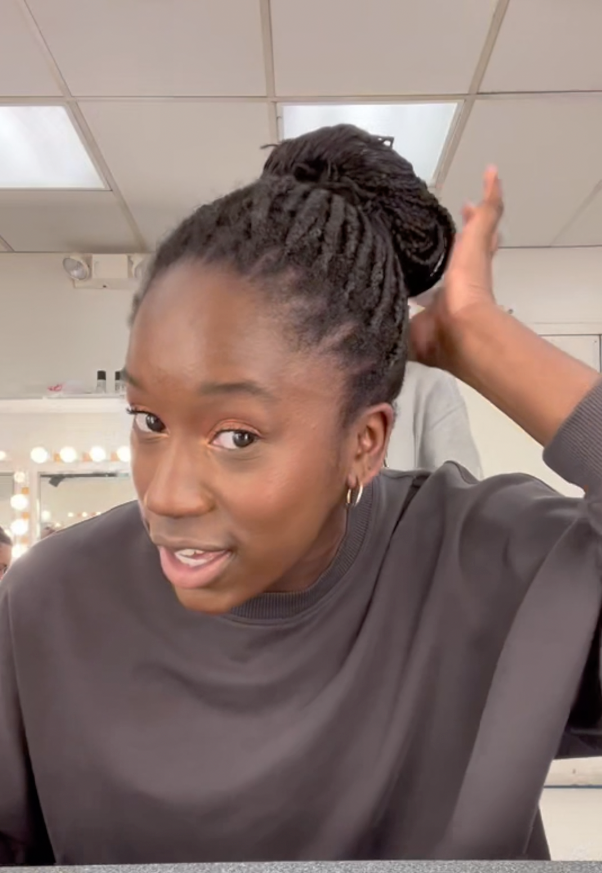
How to do a Ballet Bun with Braids
Dancers come in all different shapes and sizes, and hair is no exception. All different types of hair from textured to straight are thrown into ballet buns every single day, but sometimes it can be a struggle to find the right way to put up your hair. Former DWC Ambassador Niyah Pratt is here to show you just how you can do it! Here is how to do a ballet bun with braids:
By Niyah Pratt, Former DWC Ambassador
Dancers come in all different shapes and sizes, and hair is no exception. All different types of hair from textured to straight are thrown into ballet buns every single day, but sometimes it can be a struggle to find the right way to put up your hair. Former DWC Ambassador Niyah Pratt is here to show you just how you can do it! Here is how to do a ballet bun with braids:
First, flip your head over and gather all of your hair to the top of your head.
Secure it up into a ponytail with a hair tie.
After you have the ponytail in, you are going to start a twisting motion to gather all of the hair and begin to wrap the hair around the top of the ponytail.
Once all of the hair is gently wrapped around the top of the ponytail, use another hair tie to wrap it all into place.
Lastly, secure any loose pieces with bobby pins and then you have a gorgeous ballet bun!
We hope that this quick how-to helped you learn to do a ballet bun with braids! Be sure to check out the video below for a more in-depth description!
About the author:

by niyah pratt
Niyah Pratt was born in raised in Renton, Washington. She began dancing at age six, at the British Dancing Academy where she trained in ballet, jazz, tap, and modern. She is currently attending the University of Nevada Las Vegas where she is double majoring in Dance Performance and Urban Affairs. She hopes to continue her dance career for as long as she possibly can, and make an impact not only in the dance community, but on the youth as well. She wants to be the role model she never had when she started dancing for someone else, and “thinks it is important to start implementing this in dance.”
click to shop the look: Holly Leo with Mod Dot by Ainsley Wear
Disclaimer
All content found on the Dancewear Center Website, Instagram, Facebook, Pinterest, and all other relevant social media platforms including: text, images, audio, or other formats were created for informational purposes only. Offerings for continuing education credits are clearly identified and the appropriate target audience is identified. The Content is not intended to be a substitute for professional medical advice, diagnosis, or treatment. Always seek the advice of your physician or other qualified health provider with any questions you may have regarding a medical condition. Never disregard professional medical advice or delay in seeking it because of something you have read on this Website.
If you think you may have a medical emergency, call your doctor, go to the emergency department, or call 911 immediately. Dancewear Center does not recommend or endorse any specific tests, physicians, products, procedures, opinions, or other information that may be mentioned on dancewearcenter.net. Reliance on any information provided by dancewearcenter.net, Dancewear Center employees, contracted writers, or medical professionals presenting content for publication to Dancewear Center is solely at your own risk.
Links to educational content not created by Dancewear Center are taken at your own risk. Dancewear Center is not responsible for the claims of external websites and education companies.
Tips for Preparing for Nutcracker Season
Growing up, Nutcracker season was one of the most magical and exciting times of the year. The giggles backstage with my friends, the swelling of my heart as I’d listen to the beloved music, and the adrenaline in my chest as I graced the stage were truly unbeatable sensations. While performing in a production of The Nutcracker is undoubtedly an exhilarating experience, it can also be an incredibly stressful one. Not to mention, this is many dancers’ first time performing in front of a live audience in a while, due to the COVID-19 pandemic. It’s understandable if people are feeling a little extra overwhelmed and nervous this time of the year! From organizing costumes, managing your time, taking care of your body amid numerous performances, and staying mentally healthy, there is certainly a lot to oversee. Fortunately, there are steps we can take to ensure we’re putting our best foot forward this Nutcracker season.
By Madison Huizinga, DWC Blog Editor
“Nutcracker season is a thrilling time of the year, a time when some of the best dance memories are made. Making sure you’re organized and effectively taking care of your body and mind makes it that much more magical and enjoyable. Happy Nutcracker season to all!”

Photo by Kazuo Ota from Unsplash
Growing up, Nutcracker season was one of the most magical and exciting times of the year. The giggles backstage with my friends, the swelling of my heart as I’d listen to the beloved music, and the adrenaline in my chest as I graced the stage were truly unbeatable sensations. While performing in a production of The Nutcracker is undoubtedly an exhilarating experience, it can also be an incredibly stressful one. Not to mention, this is many dancers’ first time performing in front of a live audience in a while, due to the COVID-19 pandemic. It’s understandable if people are feeling a little extra overwhelmed and nervous this time of the year! From organizing costumes, managing your time, taking care of your body amid numerous performances, and staying mentally healthy, there is certainly a lot to oversee. Fortunately, there are steps we can take to ensure we’re putting our best foot forward this Nutcracker season.
Before the performances even begin, there is a great deal of energy put towards preparing for The Nutcracker. A big part of this preparation is making sure you have all the tools and materials you need to be successful - I’m talking about costumes, pointe shoes, snacks, water, and more. There is nothing worse than showing up to the theatre the day of your performance and realizing you’ve left your hairpiece at home or have a run in the only pair of tights you brought. To prevent this from happening, create a checklist a few days before your dress rehearsal or performance to ensure you don’t leave anything behind. Some important items to include on your checklist could be functional pointe shoes, a sewing kit, ballet flats, an extra pair of tights or two, warm-ups, a foam roller, hairnets, hair ties, bobby pins, makeup, warm-up clothes, snacks, water, and (importantly) all pieces of your costume. Creating this list a few days in advance of your performance is helpful, so you have plenty of time to find or purchase the items you need.
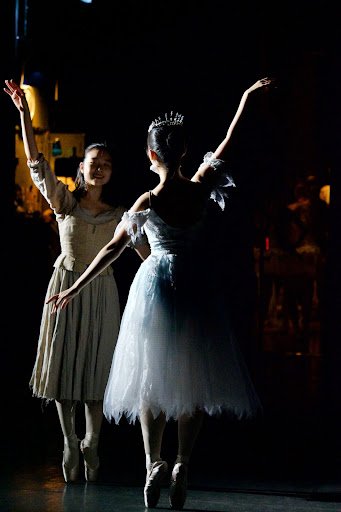
Photo by Kazuo Ota from Unsplash
Each year, most dancers perform in several performances of The Nutcracker, sometimes spanning several weekends. This is a lot of dancing! Especially after the break many dancers took in 2020, this much performance time may understandably take a toll on your body, leaving your muscles feeling sore. Post-rehab Specialist Leah Bueno, also known as @thepilatesdancer on Instagram, writes that “added rehearsals and performances can leave the body vulnerable to injuries.” Thus, she advises dancers to warm up every time they dance, making sure they warm their bodies back up if they haven’t been dancing for 20 minutes. This is a particularly important tip, considering The Nutcracker can involve a lot of starts and stops. Bueno also recommends dancers spend extra time on recovery, involving self-massage, exercises that reset the body, and getting a good night’s sleep. Finally, Bueno says dancers should “seek support if something hurts,” pointing out that prioritizing your health now can prevent less time away from the studio in the future.
Finally, in addition to staying organized and physically healthy, it’s also important to keep your mind mentally healthy throughout Nutcracker season. Performance season can be a stressful time for everyone. I remember during my Nutcracker performances growing up, I would get so stressed out that I would sometimes snap at my family members, friends, and instructors, as my intense focus on my performances kept me from being mindful about my behavior. I also held myself to a strict performance standard, emotionally berating myself every time I faltered onstage. One year, when I was performing a solo as the Sugar Plum Fairy, I slipped and fell on my behind - I was mortified and let my shame eat me up.
As much as we try, it’s near impossible for every performance to turn out exactly how we want it to. Tiny slip-ups are bound to happen here and there, most of which may not even be caught by the audience. We must take our performances seriously and strive to be the best dancers we can be, but also, have a sense of humor when things don’t turn out exactly as expected. After all, it’s the holiday season, an exciting time to celebrate with friends and family.
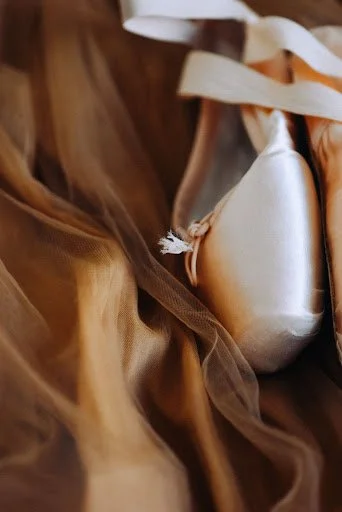
Photo by Gaelle Marcel from Unsplash
When you feel your stress building up, instead of intensely internalizing it or blurting out something you regret to one of your loved ones, try taking some deep breaths to relieve some of the tension you’re experiencing. Instead of fixating on your fear of messing up on stage, shift your mind to all the positive, exciting things about The Nutcracker season, including getting the chance to perform on stage, be around friends, and show off your dance training. I also find it helpful to write down or speak some positive affirmations about myself aloud before I begin a stressful endeavor. If you are feeling good about yourself and believe you can succeed, you’re setting yourself up for a great performance!
Nutcracker season is a thrilling time of the year, a time when some of the best dance memories are made. Making sure you’re organized and effectively taking care of your body and mind makes it that much more magical and enjoyable. Happy Nutcracker season to all!
Lessons from the Emerald Isle: What I’ve Learned as a Contemporary Dancer in Ireland
On September 12, 2021, I hopped on a plane and moved from Seattle to Ireland to study contemporary dance at the University of Limerick. It was a move five-years in the making, fueled by my lifelong love of Ireland itself and my growing career as a movement artist. I can say without reservation that this move was the best personal, professional, and artistic decision I’ve made to date. Living in a country that feels like home while advancing myself as a dancer has been transformative on a cellular level. I would love to share with you a bit of what I’ve learned on my Irish journey so far.
By Hannah Emory, DWC Blog Contributor
hannuh EM-or-ee), She/They

On September 12, 2021, I hopped on a plane and moved from Seattle to Ireland to study contemporary dance at the University of Limerick. It was a move five-years in the making, fueled by my lifelong love of Ireland itself and my growing career as a movement artist. I can say without reservation that this move was the best personal, professional, and artistic decision I’ve made to date. Living in a country that feels like home while advancing myself as a dancer has been transformative on a cellular level. I would love to share with you a bit of what I’ve learned on my Irish journey so far.
I traveled to Ireland twice in 2018, first as a tourist and again as a volunteer hostel worker, to sort of test-run my dream to live in the country. The pull I felt toward Ireland was intense well before I set foot in the country. I immediately fell in love with the spirit of the place and during my travels, I became convinced that Ireland would be my future home. Of course, visiting a place is totally different from starting a new life there, but even after returning to America, I yearned to get back to the Emerald Isle and give my new life a go.
Meeting my course director over Zoom in the weeks leading up to my immigration gave me a sense that the University of Limerick would provide me exposure to artists from around the world, students and teachers alike who would open my eyes to new facets of the dance world. Additionally, I would be able to tap more into my passion for fiddling, interest in Irish paganism and mythology, and growing skills in Irish dance. The weeks flew by as my anticipation, and a little bit of natural nerves, grew. And before I knew it, I had packed a massive suitcase, said goodbye to my family, and was marching through SeaTac with my heart pounding. As my Aer Lingus flight soared toward my new home a few hours later, I knew I was embarking on an incredible adventure.
It is wild to think that two years have passed since that fateful day. Sometimes it feels like I have been a student in UL for ages, other times it feels like I’ve snapped my fingers and found myself here: stronger after two years of rigorous training, with so much creative fire in my belly for what the future holds.
In that time, I have made dear friends, learned from some of the world’s best contemporary dance teachers, and been involved in some absolute dream projects. I’ve learned a tremendous amount from the last two years, and am anticipating so much growth in my final year of study. If I were to condense this time of my life into three crucial lessons, it would be the following:

Photo by Nikola Evora Zonenberg
Find your own creative path and follow it: When you’re in university, there will be many new sources of information and training that cross your path. I encourage you to soak it all in and seize the opportunity to make what you learn a part of your own unique creative signature. I did this by spending as much independent time in the studio as I could. I reviewed what I was learning from my teachers, improvised and experimented, and recorded my movement research. I also took improvisation classes, worked with my fellow students, and watched performances that gave me a vision for what I want my own choreography to look like. Finding your creative voice takes a mixture of relentless pursuit, joyful creation, and curious learning. It will be your most important tool as a movement artist and will give you endless material for creating work in the future.
Collaborate as much as possible: Collaborative projects are a bit like creative pressure cookers. They bring you into contact with artists who have ideas different to your own and are an amazing way to give and take creative inspiration. As an example, my class cohort came together for our first independent project in the summer of 2022. We learned so much about filming, rehearsing, choreographing, and we got a lot closer to each other. At the end of it, we had a work in progress that we are extremely proud of that served as a springboard for projects we’re doing now. You never know what will come from working with other dancers (especially when it’s with folks you’ve never worked with before); it’s one of the best learning tools available.
Don’t be afraid to forge a new path: Until about a year ago, I was convinced that I would follow a relatively traditional contemporary dancer’s path once I completed my degree. I supposed I would find work with a dance company and follow a standard performing dancer to choreographer/company director pipeline. But, through my education in UL, I discovered circus arts and fire performance, and my whole vision for the future changed and I unlocked a part of myself that was waiting to speak and move. I say all this to encourage you to not be afraid to reinvent yourself throughout your career. Wherever you started your training does not have to dictate the path of your future, and having a wide range of movement experiences under your belt is a commodity in the dance world. As another example, one of the girls in my year started as a popping street dancer, came to UL where she started contemporary dancing for the first time, and is now an incredible aerial dancer. Because of her willingness to go down new paths and explore, she has a range of movement available to her that makes her a dynamic and sought-after performer. So, if there is an avenue of movement arts you haven’t explored yet but want to, I encourage you to allow your path to shift from what you thought it would be. Answer the call to reinvent yourself and it will take you to amazing places.
In my experience, these invaluable lessons were heightened by training in another country where my comfort zone has been expanded by default time and again. Yet, these principles apply in any educational context and you don’t have to make a huge life change to implement them for yourself. Wherever you find yourself in your training or work as a dancer, you can stay in relentless pursuit of your own artistry, chase the collaborative opportunities that come your way, and stay open to reinventing yourself. I’ve found these elements to be highly adaptive tools in any movement context, and believe they are the spice of being a dancer. The possibilities are truly endless when you keep yourself open to what’s around you. Go forth and dance, my friend.

How to Create a Dancer Warm Up and Why it is Important
As a young dancer I never really considered the importance of warming up. If you looked across the room before a ballet class I remember seeing dancers sitting in their middle splits, legs on the barre stretching forward and chatting about their weekend plans. When I got to college level dance I discovered my schools recreation center and weight room. It was not until my Anatomy and Physiology class in college that I learned how to strength train and why it is so beneficial in activities like jumping and leaping that was necessary in dance.
By Caroline Schmidt, ACE CPT, DWC Ambassador
pronouns: she/her | pronunciation: kay-row-line sh-midt
As a young dancer I never really considered the importance of warming up. If you looked across the room before a ballet class I remember seeing dancers sitting in their middle splits, legs on the barre stretching forward and chatting about their weekend plans. When I got to college level dance I discovered my schools recreation center and weight room. It was not until my Anatomy and Physiology class in college that I learned how to strength train and why it is so beneficial in activities like jumping and leaping that was necessary in dance. In undergrad I started personal training and discovered a warm up routine that worked for my body. The first most important thing when creating a warm up is to ask yourself what is required of me? In running you need strong legs and core, for rock climbing you need mobility and upper body strength, in swimming you need length and power. My warm up routine is a combination of yoga, running and strength training that I have found over the years!
You might ask: why do I need to warm up? I am a young dancer I can just jump right in to my dancing right? Well, there are many benefits to a good warm up. The most important thing is that it is a gentle way to start preparing your body for what is to come. If you were to do a heavy squat you wouldn’t just jump in to lifting the heaviest weight right? You start with a gentle activation of the muscles to tell them it’s time to work. It is also good for your muscles and your heart to gradually build up to movements. A warm up is also really important to decrease the likelihood of injury. If you go too hard too fast you might tear a muscle or hurt yourself.
Studies have shown the importance of a good warm up and how it can increase your performance in 79% of all aspects being analyzed. This analysis has shown that performance improvements can be seen after completion of adequate warm-up activities, and there is little evidence to suggest that warming-up is detrimental to sports participants. (Fradkin et al, 2010). There has been a large debate regarding if static stretching before activity decreases physical athletic performance. I prefer a dynamic stretching approach which you can see is built into my example warmup program. Dynamic stretching is where you are stretching throughout a range of motion however you aren't just sitting in a position for prolonged period of time. You are active and using your muscles to move through the range. I like this because it is more functional in dance! There are also some detrimental effects to just static stretching especially before you are warm enough including decreasing your ability to produce a strong muscle contraction for powerful movements like jumping and thus decreasing performance (McMillan, 2006).
I like to take a very analytical approach to my warm up. You have your major joints and its a good idea to warm up each major muscle group. Major muscle groups include: glutes/hamstrings, quads/ hip flexors, shins and calves, abdominals, chest pushers and pullers. An exercise for each with a gentle activation will start to remind these muscles it's time to work! I like to start with a whole body connection to get the blood flowing and end with a full body connection moment putting everything together. I also like to do exercises where I am not only stretching but strengthening to start to build the neural connections. This is an example warm up routine that I have found works for my body but may not necessarily for everyone!

My Warm Up Routine:
Step 1: whole body connection movement
- Sun Salutation from standing into plank and hip stretch with worlds greatest stretch
Step 2: chest pushers
- Plank shoulder taps
Step 3: back pullers
- Superman and lat pulls
Step 5: quads/ hip flexors - Bird dogs
Step 4: glutes/hamstrings - Bridges
Step 6: abdominals
- Dead bugs
Step 7: shins and calves
- Squat into a calf raise
Step 8: full body connection moment puting everything together
- Single leg RDL with arm movements (balance incorporated into the movement)
Resources
Fradkin AJ, Zazryn TR, Smoliga JM. Effects of Warming-up on Physical Performance: A Systematic Review With Meta-analysis. Journal of Strength and Conditioning Research. 2010;24(1):140-148. doi:https://doi.org/10.1519/jsc.0b013e3181c643a0
Kozai A, Surgenor B, Ma. The Importance of a Good Warm-Up: Are You Warm Enough to Start Dancing?; 2017. https://iadms.org/media/3598/iadms-resource-paper-the-importance-of-a-good-warm-up.pdf
McMillian DJ, Moore JH, Hatler BS, Taylor DC. Dynamic vs. Static-Stretching Warm Up: The Effect on Power and Agility Performance. The Journal of Strength and Conditioning Research. 2006;20(3):492. doi:https://doi.org/10.1519/18205.1
NYSMI | The Importance of Stretching and Warm Up Exercises Before Physical Activity. Accessed August 24, 2023. https://nysportsmedicineinstitute.com/the-importance-of-stretching-and-warm-up-exercises-before- physical-activity/#:~:text=Warming%20up%20exercises%20increase%20blood
Disclaimer
All content found on the Dancewear Center Website, Instagram, Facebook, Pinterest, and all other relevant social media platforms including: text, images, audio, or other formats were created for informational purposes only. Offerings for continuing education credits are clearly identified and the appropriate target audience is identified. The Content is not intended to be a substitute for professional medical advice, diagnosis, or treatment. Always seek the advice of your physician or other qualified health provider with any questions you may have regarding a medical condition. Never disregard professional medical advice or delay in seeking it because of something you have read on this Website.
If you think you may have a medical emergency, call your doctor, go to the emergency department, or call 911 immediately. Dancewear Center does not recommend or endorse any specific tests, physicians, products, procedures, opinions, or other information that may be mentioned on dancewearcenter.net. Reliance on any information provided by dancewearcenter.net, Dancewear Center employees, contracted writers, or medical professionals presenting content for publication to Dancewear Center is solely at your own risk.
Links to educational content not created by Dancewear Center are taken at your own risk. Dancewear Center is not responsible for the claims of external websites and education companies.
What's In Your Dance Bag?
Everyone knows as dancers that our dance bag is a sacred place. It holds all of our stinky shoes after dancing for hours on end and seems to be an abyss for endless amounts of bobby pins. With each new dance season, new goodies are needed to last the dance season which can add up quickly. We asked some of our DWC Ambassadors what was in their dance bag to give a special look into their go-tos and their necessities they need for classes! Read on to learn more about what is in their dance bags!
By The DWC Ambassadors
Everyone knows as dancers that our dance bag is a sacred place. It holds all of our stinky shoes after dancing for hours on end and seems to be an abyss for endless amounts of bobby pins. With each new dance season, new goodies are needed to last the dance season which can add up quickly. We asked some of our DWC Ambassadors what was in their dance bag to give a special look into their go-tos and their necessities they need for classes! Read on to learn more about what is in their dance bags!

Caroline
Hair bands or claw clip
Water bottle
Snacks (fired mango or granola bar bc I am always hungry!)
Sweatshirt or long sleeve to wear for warmups
Kindle and computer if I have some downtime
Native deodorant
Apple Watch
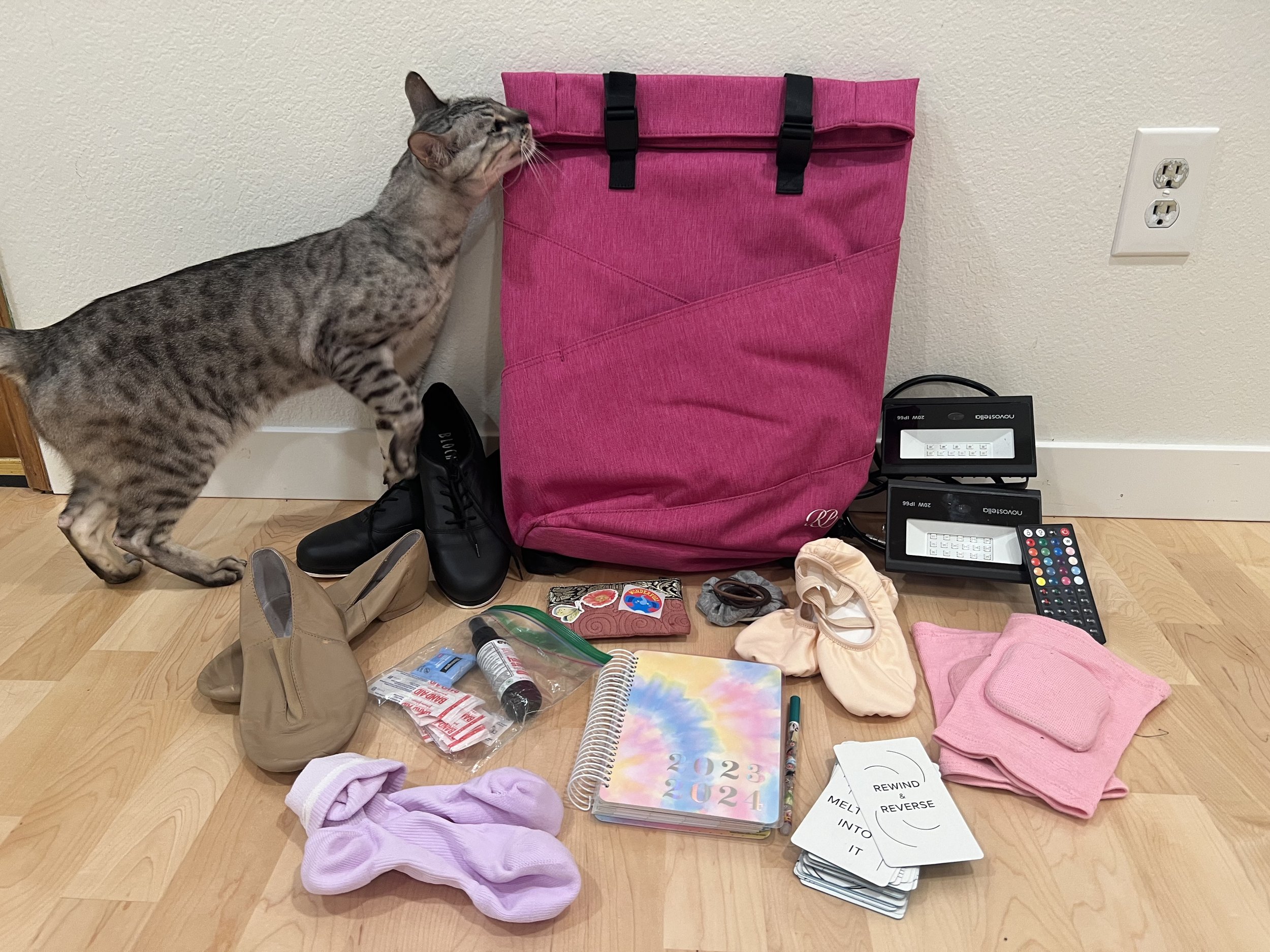
Marika
Band aids, hand sanitizer, makeup wipes
Sticker pouch
Hair ties
Planner
Movement cards
Knee pads
Colored room lights
I always carry a snack :) (Not shown)
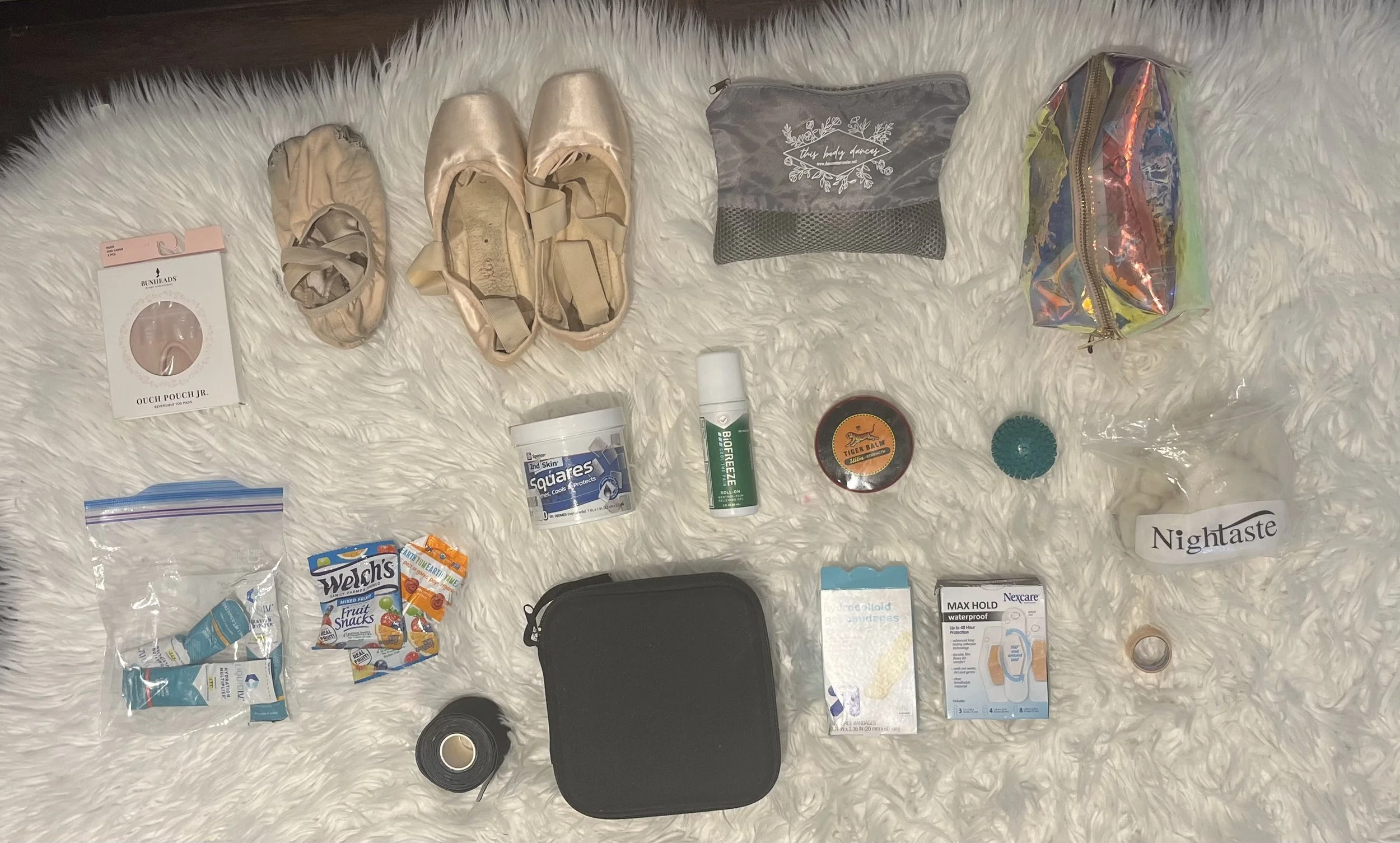
Alaina
In my dance bag I try to keep only the essentials, so I can have a clean and organized bag. I also keep my pointe shoes and flat ballet shoes with me. I currently love the SoDanca ballet flat shoes, and the Mirella whisper pointe shoes. I keep all of my pointe essentials in my Dancewear Center mini zip bag. My favorite toe pads are from Bunheads. 2nd Skin Squares are my favorite for blisters so I always keep them on hand. I also keep blister bandaids and other types of tape with me for injuries and injury prevention. Biofreeze and Tiger Balm are two of my absolute essential items. There is also a mini Thera gun I keep in my bag for post class muscle recovery. Finally I like to keep a few snacks that are high in sugar and easy to digest for quick in between class energy boosts.
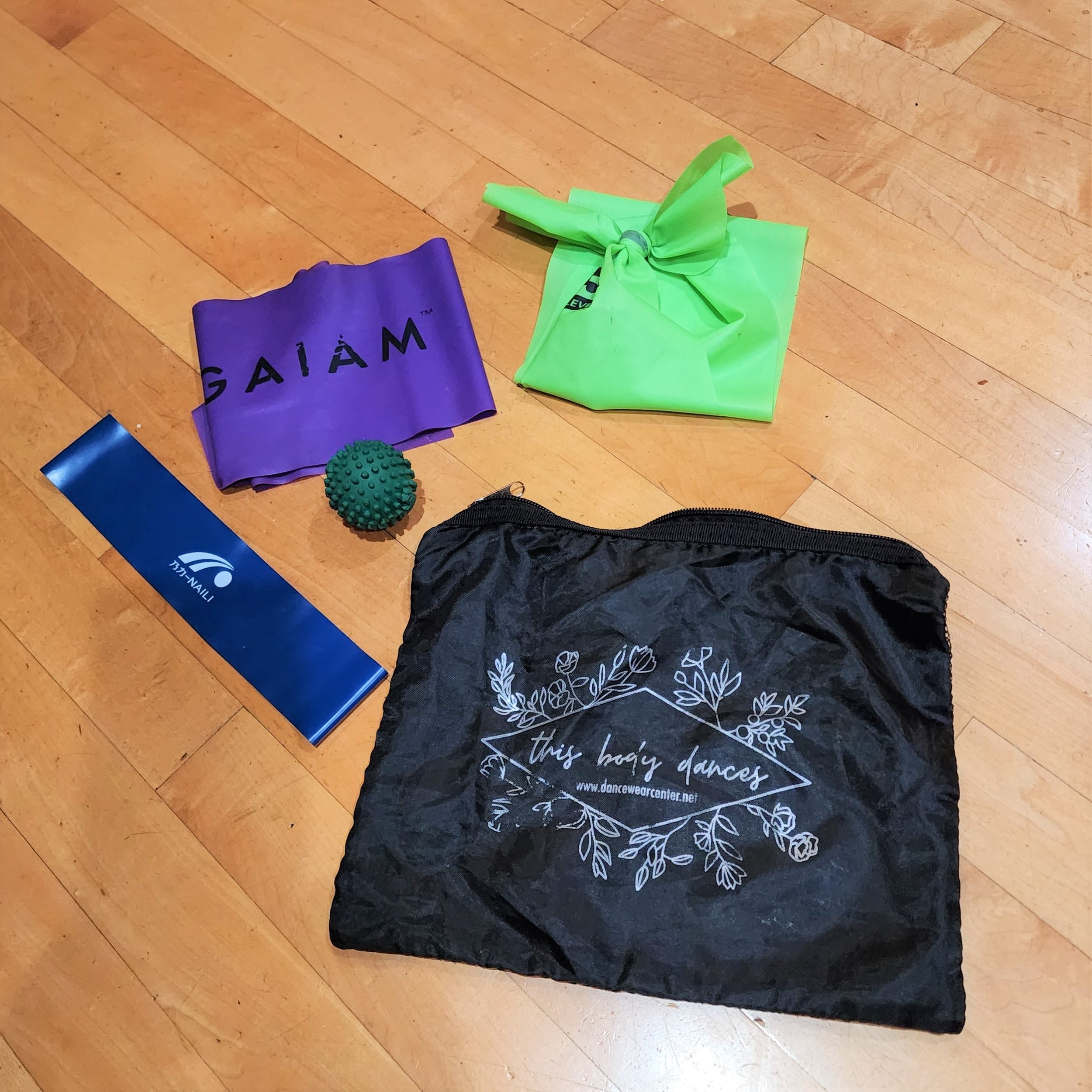
Vania
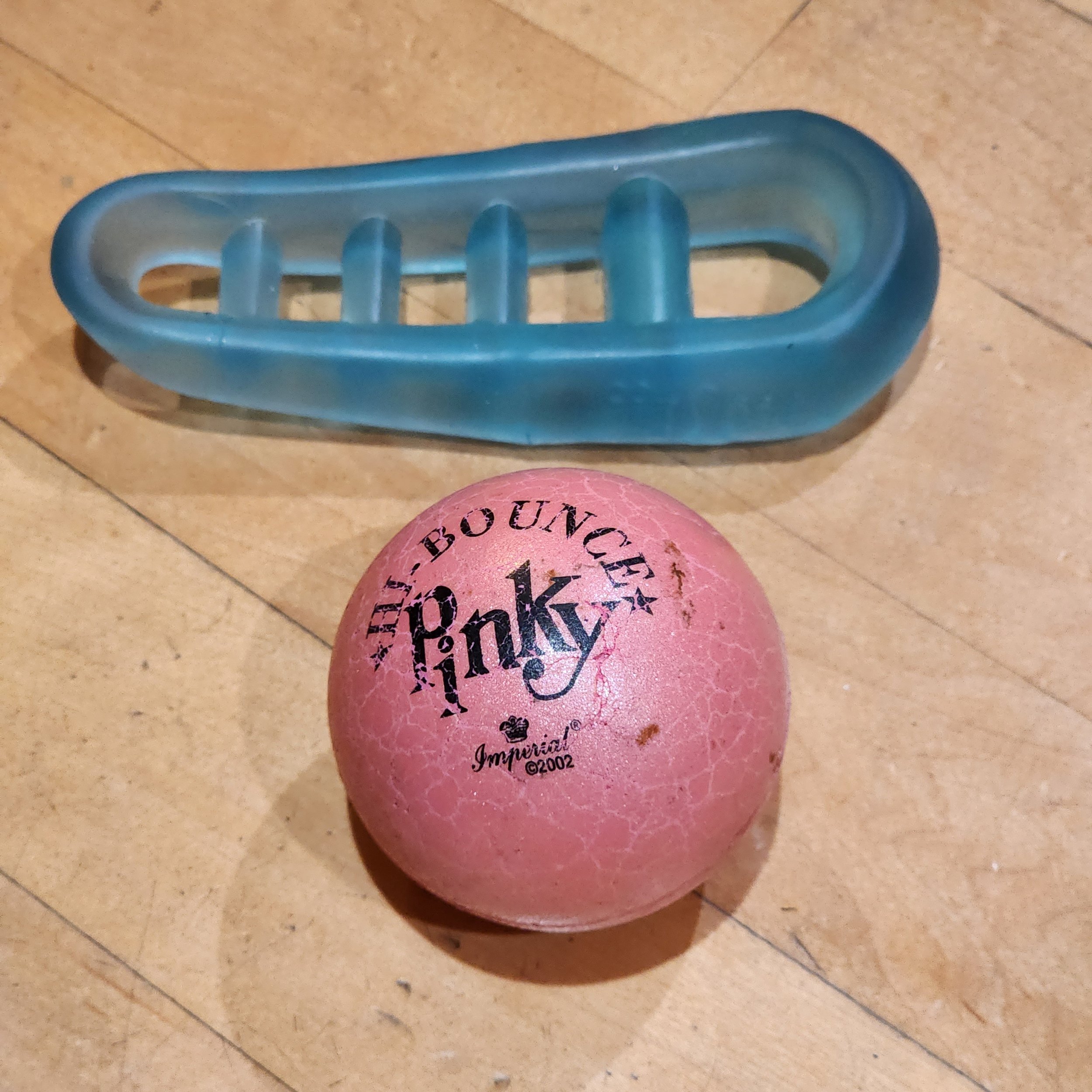
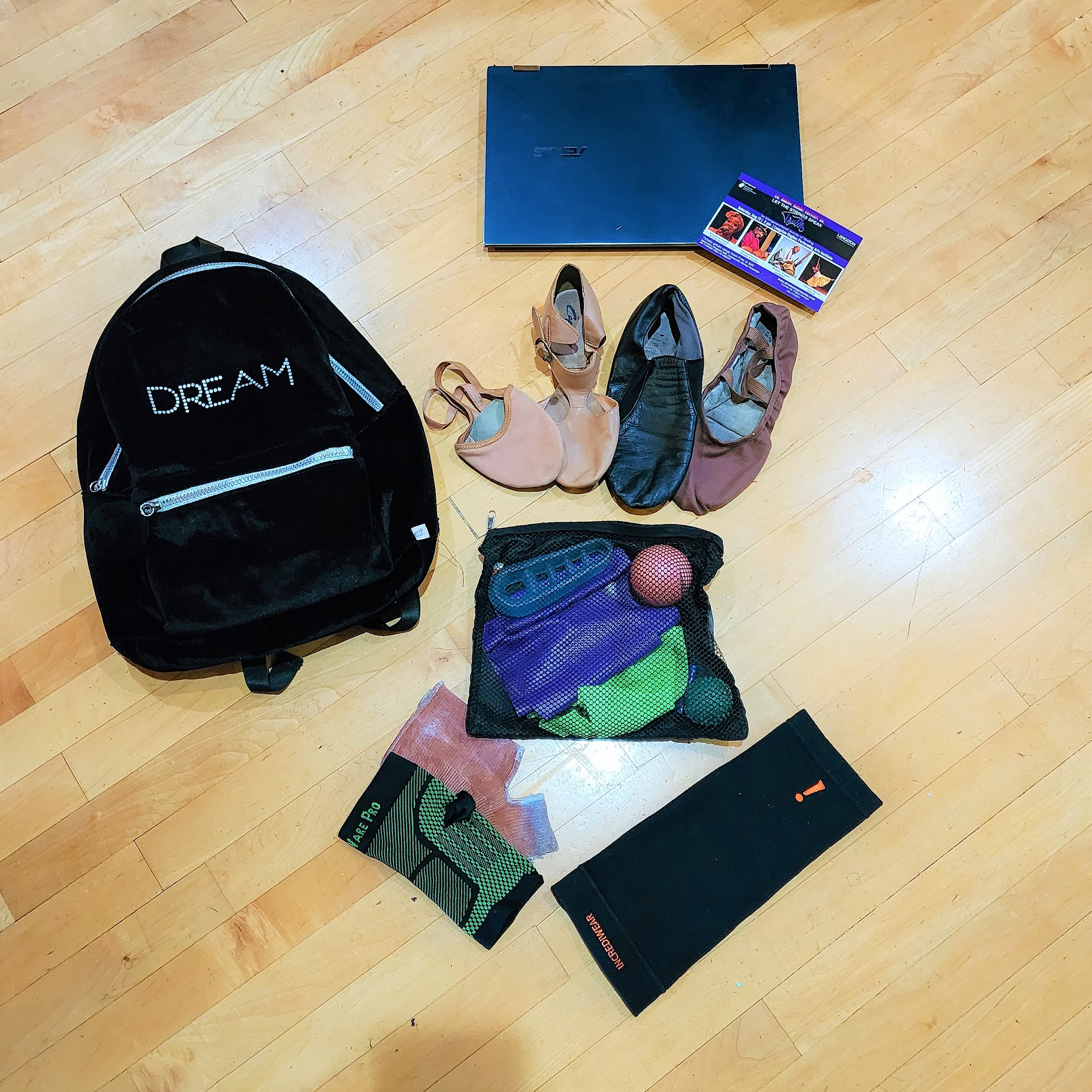
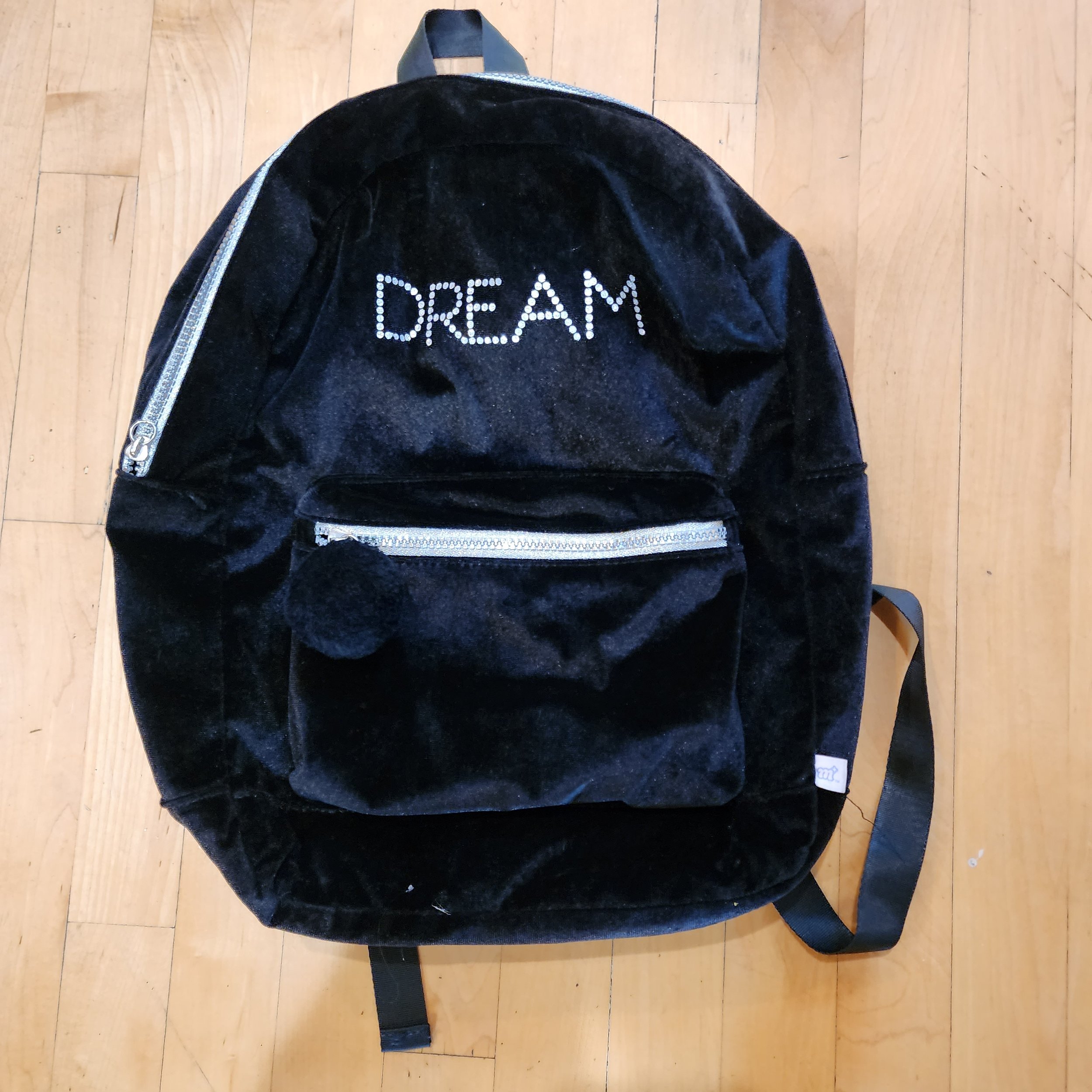
My dance bag (BACKPACK) varies based on whether I am taking class, teaching, choreographing, or working on a show. But in general, I like to make sure that I have jazz and ballet options. In addition, it is important to have a few things that help stretch, strengthen and release my body. When I looked in my dance bag, the first thing I saw was my black Dancewear Center pouch with TheraBands inside. :-) I also like to keep my Foot Rubz or Pinkie ball close by to help release my feet. And my ankle supports are a must have for heavy rehearsal times. When I travel, I like to take at least one of my yoga toes to increase circulation to my extra tight feet. :-) Last but not least, these days I need my computer for business and music editing. So, I carry it along with a portable speaker and a notebook/pencil.
Dancewear Center pouch - TheraBands, therapy balls for my feet and legs
Jazz shoes (regular and with a little heel sometimes for teaching)
Ankle braces/Knee brace
Yoga toes
My computer
The latest flyer for any events I am working on
Portable speaker and notebook - not shown
We hope you enjoyed finding out what is in our DWC Ambassadors dance bags! Shop for these necessities in store or online!
Disclaimer
All content found on the Dancewear Center Website, Instagram, Facebook, Pinterest, and all other relevant social media platforms including: text, images, audio, or other formats were created for informational purposes only. Offerings for continuing education credits are clearly identified and the appropriate target audience is identified. The Content is not intended to be a substitute for professional medical advice, diagnosis, or treatment. Always seek the advice of your physician or other qualified health provider with any questions you may have regarding a medical condition. Never disregard professional medical advice or delay in seeking it because of something you have read on this Website.
If you think you may have a medical emergency, call your doctor, go to the emergency department, or call 911 immediately. Dancewear Center does not recommend or endorse any specific tests, physicians, products, procedures, opinions, or other information that may be mentioned on dancewearcenter.net. Reliance on any information provided by dancewearcenter.net, Dancewear Center employees, contracted writers, or medical professionals presenting content for publication to Dancewear Center is solely at your own risk.
Links to educational content not created by Dancewear Center are taken at your own risk. Dancewear Center is not responsible for the claims of external websites and education companies.
Interested in writing for the DWC Blog? Click below to fill out the DWC Contributor application!